Collecting HOA Dues Without the Awkwardness
By Priya Raman · July 9, 2026
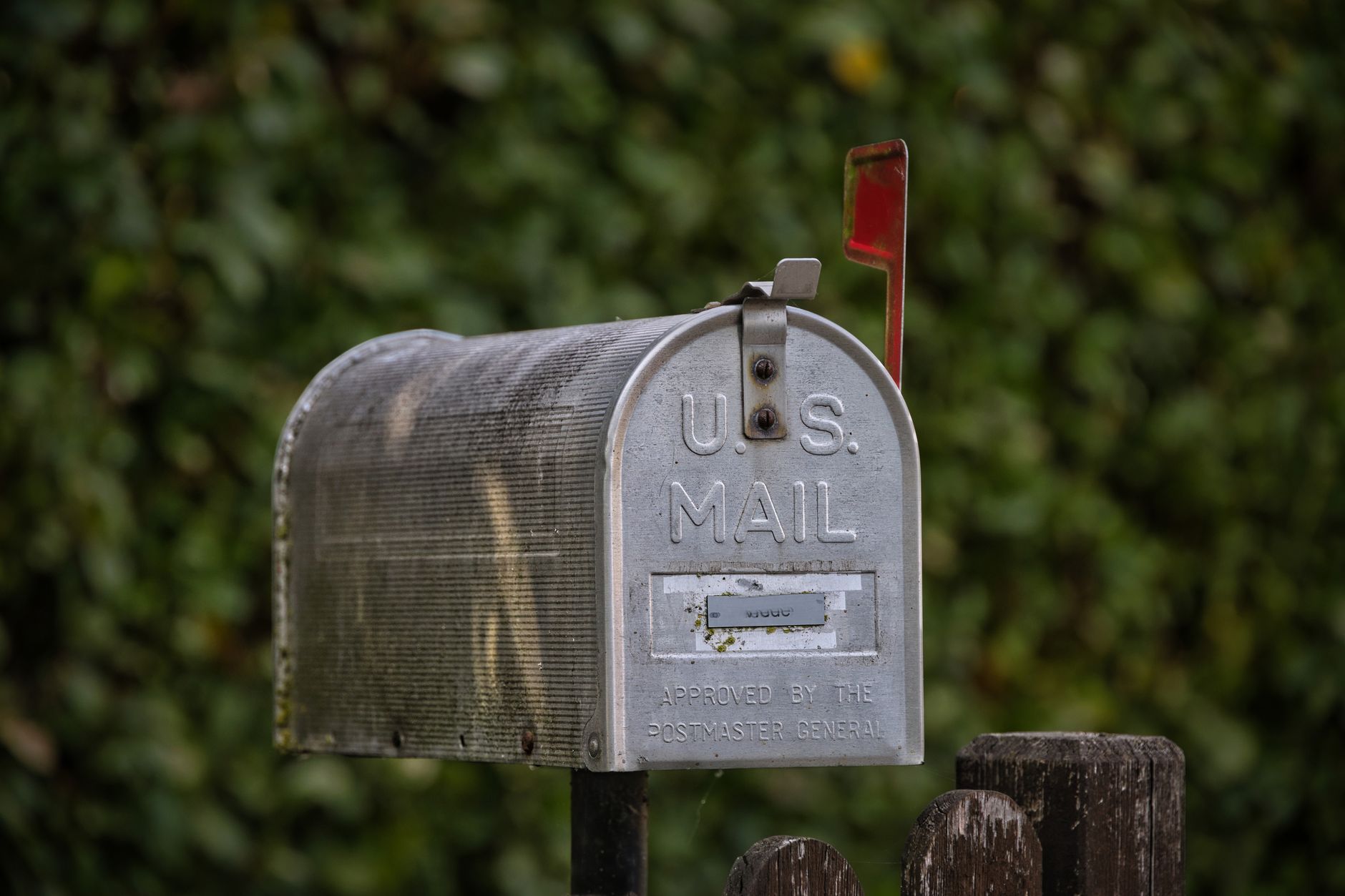
Ask any volunteer treasurer what they dread and it's this: asking a neighbor for money. Dues collection feels personal because the "customer" lives three doors down. The way to take the awkwardness out of it is to make it a consistent written system — the same sequence for everyone, so no one feels singled out and nothing slips.
Send the reminder before anything is late
A friendly heads-up two weeks before dues are due dramatically cuts late payments, and it makes any later notice feel procedural rather than accusatory. Frame it positively: dues fund the shared things everyone uses — landscaping, insurance, reserves.
Have a clear, escalating sequence
Mirror the violation approach: a gentle reminder, then a past-due notice stating the amount, the original due date, and how to pay, then a final notice before further action. Keep every one courteous. Our dues reminder template includes all three stages, from friendly to firm.
Always offer a conversation
"Contact us to arrange a payment plan" costs nothing and is often required before harsher remedies anyway. More importantly, it surfaces genuine hardship early, while it's still solvable, and keeps a neighbor relationship intact. A homeowner who's embarrassed and avoiding you is a homeowner who isn't paying.
Quote late fees exactly — and only what's authorized
Charge only the late fee your governing documents actually authorize, with its exact grace period and trigger date. Invented or rounded fees are unenforceable and undermine the whole notice. If the documents are silent on late fees or interest, don't improvise — confirm with the association's attorney first.
Understand what comes after a final notice
Depending on your state and governing documents, continued non-payment can lead to collections, a lien on the property, or attorney involvement. These steps carry strict legal requirements and deadlines — this is not the place to freelance from a template. When you reach it, get help.
Make paying effortless
Half of "late" payments are really just friction. Spell out every payment method clearly and keep it consistent across notices. The less a homeowner has to think about how to pay, the more of them pay on time. The IRS's overview of homeowners associations is a useful reference on the association's finances and tax posture, and if your board wants to standardize its dues letters, HOA Board Studio's Board plan keeps them consistent and archived.
Priya Raman
Priya writes about HOA finances — budgets, dues collection, reserves, and special assessments — for volunteer treasurers.