5 Smart-Home Upgrades Worth the Money (and 2 That Aren't)
By Priya Raman · July 17, 2026
Walk into any hardware store and the "smart home" aisle promises to change your life. Most of it won't. But a handful of upgrades genuinely pay for themselves — in lower bills, fewer emergencies, or hours you get back. Here are the five worth your money, and two that usually aren't.
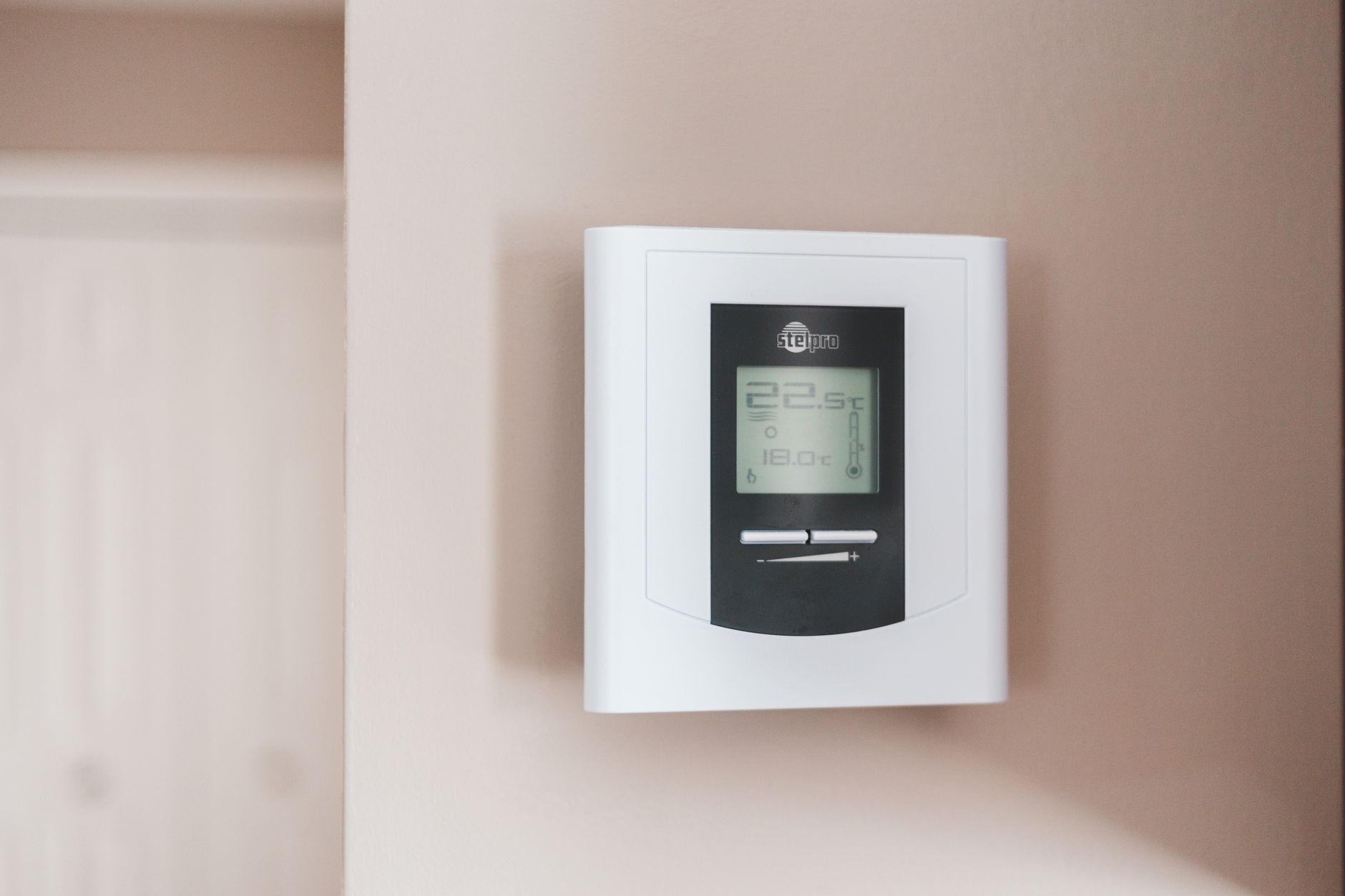
1. A smart thermostat
This is the one almost everyone should own. A learning thermostat trims heating and cooling — typically the largest slice of a home's energy bill — by adjusting to your schedule automatically. The U.S. Department of Energy's guidance on thermostats notes that careful setback scheduling can meaningfully cut energy use, and ENERGY STAR-certified models are independently tested to deliver real savings. Payback is often under two years.
2. Smart leak detectors
A $20 water sensor under the water heater, dishwasher, and bathroom vanity is the highest-return device in this entire list. Water damage is one of the most common and expensive home insurance claims, and a sensor that texts you the moment it detects moisture turns a five-figure disaster into a mop-up. Pair it with a smart shutoff valve if you travel often.
3. A video doorbell
Beyond package theft, a doorbell camera settles the small disputes of everyday life — deliveries, visitors, who left the gate open. Choose one with local storage or a clear privacy policy, and be mindful of what it captures beyond your property line.
4. Smart bulbs in the rooms you actually use
Skip the whole-house rollout. A few smart bulbs in the living room and porch — scheduled to mimic occupancy when you're away — deliver most of the security and convenience benefit at a fraction of the cost and setup.
5. A water-efficient smart irrigation controller
If you have a lawn, a weather-aware controller stops watering before rain and adjusts by season. The EPA's WaterSense program labels controllers that cut outdoor water use without a browner yard — a fast payback in dry regions.
Two to skip (for now)
Smart locks as your only lock. They're convenient, but battery deaths and connectivity hiccups make them frustrating as a sole point of entry. Keep a keyed backup. All-in-one "smart home hubs" that lock you into one brand's ecosystem also tend to age badly — prefer devices that work with open standards like Matter.
The throughline: buy the devices that prevent expensive problems or cut recurring bills, and ignore the ones that just add another app to your phone. If you help run a community, these same principles apply to shared spaces — a topic we cover in our other guides.
Priya Raman
Priya writes about practical smart-home technology for community living — the upgrades that actually earn their keep, minus the hype.