
How to Transition Your HOA From a Management Company to Self-Managed
Switching to self-management is very doable if you plan the handoff. Here's a step-by-step: the notice, the records to demand back, and the systems to stand up first.
Marcus Bell · August 11, 2026

What Your HOA Management Company's Fee Actually Buys
Before you renew that management contract, run the numbers. For a lot of small associations, most of what you're paying for is work a board can do in a few hours a month.
Marcus Bell · August 9, 2026

When Can an HOA Place a Lien for Unpaid Dues?
A lien is a serious remedy with strict rules. Here's when an HOA can place one for unpaid dues, the notice steps that usually come first, and the cautions.
Priya Raman · August 7, 2026
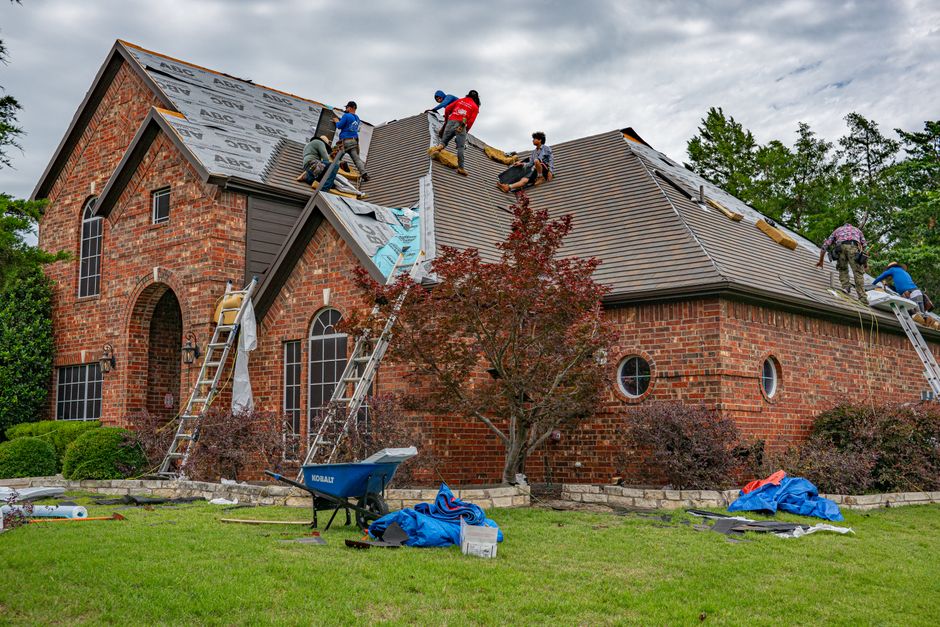
How to Announce a Special Assessment Without a Revolt
No letter is read more carefully than the one asking for extra money. Here's how to announce a special assessment so homeowners understand it and pay it.
Priya Raman · August 5, 2026

How to Handle Delinquent Dues: A Step-by-Step Collection Timeline
Chasing unpaid dues is the least fun board job. A written, consistent collection timeline makes it procedural instead of personal — and far more effective.
Priya Raman · August 3, 2026

Executive Session vs Open Meeting: What Boards Can Discuss Privately
Executive session exists for a handful of sensitive topics — and using it for anything else erodes trust and can break the law. Here's the line.
Marcus Bell · August 1, 2026

How to Take HOA Meeting Minutes (What to Include, What to Leave Out)
Good minutes record decisions, not conversations. Here's exactly what belongs in HOA board minutes — and what to leave out to protect the association.
Marcus Bell · July 30, 2026

Approving or Denying Architectural Requests Without Getting Sued
Architectural review is where boards get sued most — usually for being slow, vague, or inconsistent. Here's how to approve and deny requests defensibly.
Dana Whitfield · July 28, 2026

Can Your HOA Fine Without a Hearing? Due Process for Boards
Most governing documents — and a growing number of state laws — require notice and a chance to be heard before a fine sticks. Here's what due process looks like for a board.
Dana Whitfield · July 26, 2026

The Enforcement Mistake That Voids Your HOA's Fines
Selective enforcement is the single fastest way for a board to lose a dispute — and most boards do it without realizing. Here's how it happens and how to stop it.
Dana Whitfield · July 24, 2026