HOA Reserve Studies, Explained for Volunteer Boards
By Priya Raman · October 1, 2026
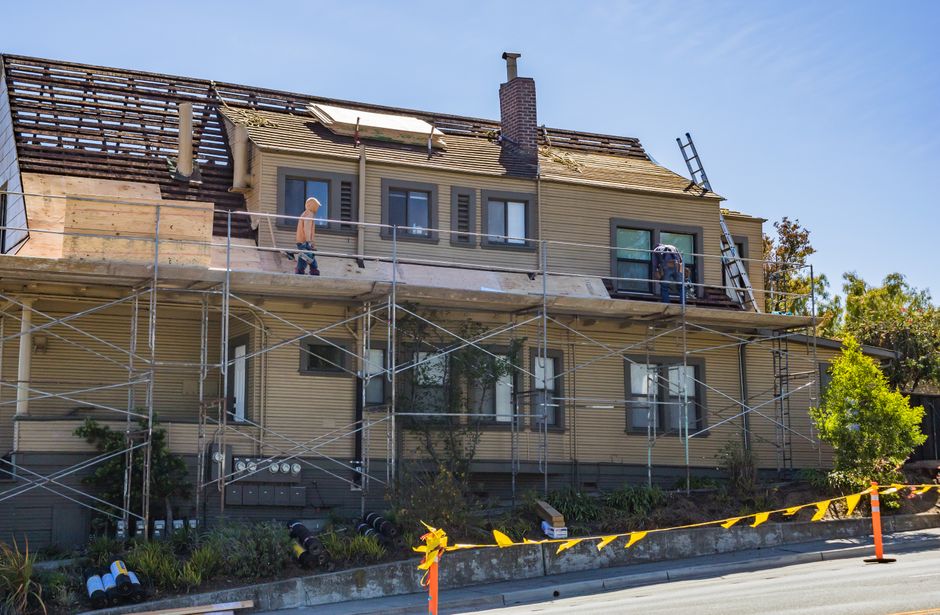
Every community owns things that wear out on a predictable schedule: roofs, paving, fences, pool equipment, mailbox clusters, exterior paint. A reserve study is the plan for paying for them. It's what lets a board say "we saw this coming" instead of announcing a five-figure special assessment.
What a reserve study contains
A reserve study has two parts. The physical analysis is an inventory of the components the association must maintain, with each one's condition, remaining useful life, and estimated replacement cost. The financial analysis compares your current reserve balance to what those future costs require, then recommends a yearly contribution, usually as a 20- or 30-year funding plan.
Full study, update with site visit, update without
Reserve professionals generally offer three levels. A full study builds the component inventory from scratch. An update with a site visit re-inspects components and revises the numbers. An update without a site visit just refreshes the financial projections. A common pattern is a full study first, then updates every year or two, with a site visit at least every few years.
"Percent funded," in plain English
Percent funded compares the reserves you have to the reserves you should have by now, given how much of each component's life has been used up. A community at 30% funded is far more exposed to special assessments than one at 70%. The number itself matters less than the trend. A board that raises it year after year is doing its job.
Do you have to get one?
It depends on where you are and what your governing documents say. Some states require them. California, for example, requires a visual inspection of major components at least once every three years and a review of the study every year. Even where nothing requires one, lenders, insurers, and buyers increasingly ask about reserves, and a study is the most credible answer.
Can a small HOA do it themselves?
A very small community with only a few components can build a reasonable spreadsheet: list each component, its replacement cost, and its remaining life, and divide cost by remaining years for a rough yearly contribution. For anything with roofs, roads, or a pool, a professional study usually pays for itself the first time it stops an underfunded replacement. The Association of Professional Reserve Analysts and the Community Associations Institute both offer directories of credentialed providers.
Put it to work
A study only helps if it drives the budget. Carry its recommended contribution straight into your annual HOA budget and tell owners why the number is what it is. If a shortfall is already unavoidable, our guide on announcing a special assessment covers how to deliver that news without a revolt.
Priya Raman
Priya writes about HOA finances — budgets, dues collection, reserves, and special assessments — for volunteer treasurers.