How to Run an HOA Board Election That Nobody Can Challenge
By Marcus Bell · October 14, 2026
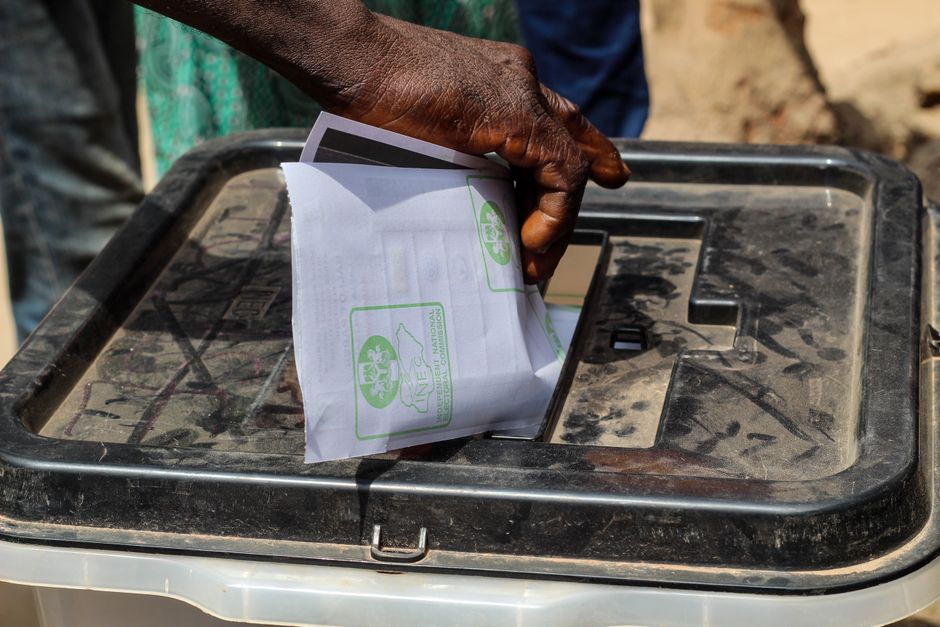
Most HOA elections are quiet affairs where the same three people agree to serve again. Then a parking rule or a big assessment makes one contested, and every shortcut the board ever took gets examined. The good news is that a clean election process is simple, and the same process works whether two people run or ten.
1. Read the rules before you start
Your bylaws set the number of seats, term lengths, and the election timeline. Your state statute may add requirements such as nomination procedures, secret ballots, or an independent inspector of elections. California, for example, requires an independent inspector for many association elections. Write the steps and deadlines on one page before announcing anything.
2. Call for candidates, openly
Tell every owner which seats are open, how to be nominated, and the deadline, with enough time to respond. Treat incumbents and newcomers the same. A process that looks rigged in favor of the current board, even by accident, is the root of most challenges. Our election notice generator drafts this announcement on your letterhead.
3. Prepare the ballot and protect secrecy
List the candidates in a neutral order, often alphabetical or randomized. Where secret ballots are required, a common method uses two envelopes: the ballot goes into a blank inner envelope, which goes into an outer envelope the owner signs. The signed outer envelope verifies eligibility, and the inner one is opened separately so votes can't be traced. Send ballots with the meeting notice where your documents allow absentee voting. It's also the best way to reach quorum.
4. Count in the open
Count ballots at the meeting, or at a noticed time and place where owners can watch, using people who aren't on the ballot. Two counters checking each other is a simple safeguard. Record the totals for each candidate and any ballots rejected, with the reason.
5. Announce and document
Announce results at the meeting, record them in the minutes, and share them with all owners. Keep the ballots and envelopes for the period your state or documents require, because if anyone challenges the result, those are your evidence.
6. Seat the new board properly
New directors should get the governing documents, recent minutes, financials, and contracts right away. Elect officers at the first board meeting after the election. Our guide to HOA board roles helps new directors find their footing. For broader governance resources, see the Community Associations Institute.
Marcus Bell
Marcus covers board meetings, governance, and the day-to-day operations of self-managed associations.